A fireplace adds warmth, comfort, and ambiance to any home, especially during colder months. While starting a fire may seem simple, doing it properly helps ensure safety, efficiency, and consistent heat. Understanding the fundamentals also helps protect your home from potential hazards associated with improper fireplace use.
What is the Best Type of Wood for a Fireplace?
Choosing the right wood is one of the most important factors in building a successful fireplace fire. Hardwood varieties such as oak, maple, and hickory are typically preferred because they burn longer and produce more consistent heat. Softwoods like pine ignite quickly but tend to burn faster and create more smoke and sparks.
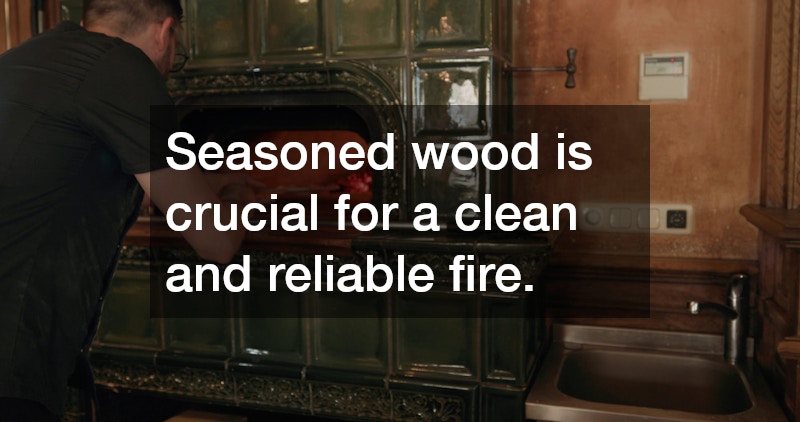
Seasoned wood is crucial for a clean and reliable fire. Firewood that has been properly dried for at least six months contains significantly less moisture, allowing it to ignite more easily and burn more efficiently. Using well-seasoned logs helps reduce maintenance issues and improves overall safety.
Many homeowners use common hardwood options such as oak, ash, birch, and maple for indoor fires. These woods are widely available and offer steady heat output. Avoid burning treated, painted, or chemically processed wood because it can release harmful fumes when burned.
How to Properly Stack Wood in a Fireplace?
The way logs are arranged in your fireplace can determine how easily the fire starts and how well it burns. One common technique is the traditional log cabin method, where two larger logs are placed parallel to each other with smaller logs stacked perpendicularly on top. This structure creates stable airflow channels that help the fire burn evenly.
Another popular method is the teepee stack. This technique places kindling and smaller sticks in a cone shape around a fire starter, allowing flames to rise through the center. The teepee structure helps fire spread quickly to larger pieces of wood.
Some homeowners also use variations like the top-down method, where larger logs are placed on the bottom and smaller kindling is stacked above them. As the kindling burns, it gradually ignites the logs below while producing less smoke.
What Safety Precautions Should Be Taken?
Maintaining a clean chimney is essential for safe fireplace operation. Over time, smoke can create creosote buildup inside the chimney lining. This highly flammable residue increases the risk of chimney fires if not properly removed. Scheduling periodic chimney inspections and cleanings helps keep your fireplace functioning safely.
Using proper fireplace tools also improves safety when managing a fire. Items such as fireplace screens, ash shovels, and heat-resistant gloves help protect against sparks and hot embers. A sturdy screen prevents stray sparks from escaping the firebox and landing on nearby flooring or furniture.
Preventing smoke from entering the home requires proper ventilation. Always ensure the damper is fully open before starting a fire so smoke can exit through the chimney. Burning dry, seasoned wood also reduces excess smoke production.
How to Properly Start a Fire?
Starting a fire begins with selecting reliable fire starters such as natural fire starter blocks, newspaper, or dry tinder. These materials ignite quickly and help transfer flames to the kindling. Avoid using lighter fluid or gasoline, as these substances can create dangerous flare-ups.
Kindling plays an essential role in the early stages of a fire. Small sticks or split pieces of wood catch fire easily and generate the heat needed to ignite larger logs. Placing several pieces of kindling above or around the fire starter helps build a steady flame.
To start the fire, place the fire starter in the center of the stacked kindling and light it carefully. Allow the kindling to catch fully before adding larger pieces of wood. Slowly introduce additional logs to maintain airflow and avoid smothering the flames.
Maintenance Tips for Fireplace Longevity
Routine cleaning is essential for maintaining an efficient fireplace. Removing excess ash after several fires helps maintain proper airflow and prevents buildup in the firebox. However, leaving a thin layer of ash can actually help insulate new fires and make them easier to start.
Inspecting the flue regularly is another important step in fireplace maintenance. The flue directs smoke safely out of the home and must remain clear of obstructions. Blockages caused by debris, animals, or creosote buildup can reduce ventilation and create dangerous conditions.
Creosote buildup is one of the most common maintenance concerns for wood-burning fireplaces. Burning seasoned hardwood and maintaining hot, efficient fires reduces the amount of creosote produced. Periodic chimney cleanings help remove buildup before it becomes hazardous.
With a little preparation and the right knowledge, starting a fireplace fire becomes a simple and enjoyable process. Keeping these guidelines in mind helps ensure every fire is both safe and satisfying. Over time, these habits will help you get the most warmth and enjoyment from your fireplace.