Your yard might look perfectly fine from the curb, but plenty of costly problems hide in plain sight. A dying tree limb, a leaky sprinkler head, or an overgrown shrub bed can quietly drain your bank account through emergency repairs, higher water bills, and property damage. Most homeowners do not realize how much these small issues compound over a single year. This guide walks through the warning signs so you can catch expensive problems early and keep your landscape from becoming a financial liability.
Dead or Dying Trees Near Your Home
A tree that looks slightly off this season could become a five-figure disaster next season, especially if it is close enough to hit your roof, fence, or car. Dead branches, thinning canopies, and peeling bark are early warnings that something is wrong beneath the surface. Waiting too long often means the difference between a routine trim and an emergency after a storm.
If a tree is clearly compromised, residential tree removal is almost always cheaper when scheduled proactively rather than after it falls. Insurance companies frequently deny claims tied to neglected trees, leaving homeowners to cover the full cost of tree removal and any structural damage themselves. A quick inspection now can save thousands later.
- Mushrooms or fungus growing at the base of the trunk
- Large dead limbs hanging over the roof or driveway
- Cracks or splits running down the trunk
- Leaning that has visibly increased over time
Overgrown Limbs Threatening Roofs and Power Lines
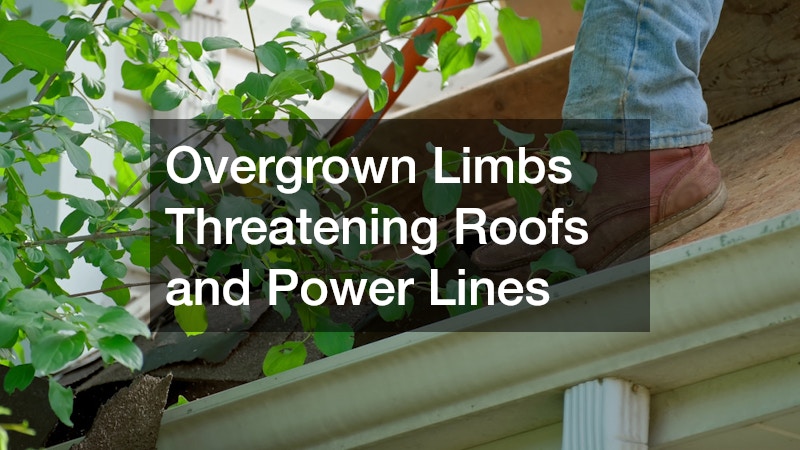
Branches that scrape against your roof during windy nights are not just annoying, they are actively wearing down shingles and flashing with every gust. Over months and years, this friction can create leaks that lead to costly water damage inside your attic or ceiling. Limbs that creep toward power lines also pose a serious safety and liability risk.
A qualified tree service can assess canopy spread and recommend a pruning schedule that keeps growth away from structures without harming the tree’s health. Ignoring this maintenance often means paying for both roof repairs and tree work at the same time, which adds up fast.
- Branches within six feet of the roofline
- Visible wear or granule loss on shingles beneath tree canopies
- Limbs touching or nearing utility lines
- Sap or debris buildup in gutters from overhanging trees
Termite and Rodent Activity Linked to Yard Debris
Piles of leaves, stacked firewood, and overgrown mulch beds create ideal hiding spots for pests looking for shelter close to your foundation. Once termites or rodents establish a colony in your yard, it is only a matter of time before they find a way into your home’s structure. The cost of repairing termite damage can easily reach into the thousands, far more than routine yard cleanup would have cost.
Scheduling regular pest control checks alongside your landscaping maintenance can catch infestations before they spread indoors. Many companies now offer combined yard and pest inspections, making it easier to address both issues in a single visit rather than waiting for a problem to become visible.
- Wood piles stacked directly against the house
- Mulch beds thicker than three inches near the foundation
- Visible termite tubes on siding or fence posts
- Rodent burrows near sheds or overgrown corners of the yard
Sprinkler Systems Wasting Water and Money

A sprinkler head stuck in the on position or a broken valve can silently add hundreds of dollars to your water bill before you ever notice a puddle. Many homeowners assume their system is working fine simply because the grass looks green, but overwatering wastes just as much money as underwatering damages plants. Small leaks underground are especially easy to miss until the bill arrives.
Bringing in a lawn irrigation company for a seasonal checkup helps catch broken heads, clogged nozzles, and timer malfunctions before they become expensive habits. Smart controllers that adjust watering based on weather can also cut costs significantly compared to older timer-based systems.
- Soggy patches that never seem to dry out
- Brown or yellow patches despite regular watering
- Water pooling near sidewalks or driveways after cycles run
- Unexplained spikes in your monthly water bill
Soil Erosion and Poor Drainage Patterns
Bare patches where grass refuses to grow, along with visible channels cut into your yard after rain, are signs that soil is washing away faster than it can be replenished. Left unaddressed, erosion undermines patios, walkways, and even foundation edges over time. Fixing structural damage caused by years of poor drainage costs far more than correcting the grading early.
Simple solutions like regrading slopes, adding French drains, or installing ground cover plants can redirect water away from vulnerable areas. Homeowners who address drainage issues early typically spend a fraction of what it costs to repair a cracked foundation or sunken patio later.
- Visible ruts or channels after moderate rainfall
- Standing water that lingers for more than a day
- Exposed roots where soil has washed away
- Mulch or gravel constantly migrating downhill
Storm Damage Cleanup Delays
After a major storm, downed limbs and split trunks can look like a manageable weekend project, but delaying cleanup often invites bigger problems. Rotting debris left in the yard attracts pests like termites, rodents, and mosquitoes within just a few days, smothers grass underneath it, and can even become a fire hazard once it dries out. What starts as a pile of branches can turn into a breeding ground you’re paying to remedy months later.
Damaged trees left standing may also be structurally unstable and pose a risk during the next storm. A cracked trunk or split limb that seems stable can fail without warning, especially under wind loads it would normally withstand. Insurance adjusters often note that secondary storm damage from neglected trees causes higher claims than the original event.
Cost adds up quickly the longer cleanup is postponed. A tree removal that might run a few hundred dollars right after a storm can climb into the thousands if the tree dies standing and requires specialized equipment to bring down safely. Waiting also increases the odds of damage to fences, sheds, or your roof if a weakened tree finally gives way.
Storm damage that lingers for weeks doesn’t just look bad — it actively costs you money. Downed branches smother grass and create dead patches that need reseeding, while broken limbs left leaning on fences or siding can cause structural damage that turns a cleanup job into a repair bill. The longer debris sits, the more likely it invites pests, mold, and further property damage.
For larger cleanup jobs, renting equipment from a local equipment rental provider can be more cost effective than purchasing chainsaws or chippers you will rarely use again. A basic gas chainsaw rental typically runs $40 to $75 a day, and a wood chipper can be rented for $150 to $300 a day, both far cheaper than buying equipment that sits idle in a garage for the other 51 weeks of the year.
This approach lets homeowners handle smaller debris themselves while leaving hazardous tree removals to trained professionals with the right safety equipment. Snapped limbs still hanging in a canopy, trees leaning on power lines, or trunks split near the roofline are all situations where a professional tree removal service is worth the cost, since a DIY misstep can lead to injury or thousands in additional property damage.
Getting quotes from two or three tree removal companies before storm season hits can also save money, since emergency rates during widespread outages are often significantly higher than routine off-season pricing.
- Split or hanging limbs still attached to the tree, which can drop without warning and cause injury or property damage
- Debris piles left untouched for more than a week, inviting pests and smothering grass underneath
- Root systems visibly lifted or disturbed after high winds, a sign the tree may fall in the next storm
- Fence or shed damage from fallen branches, left unrepaired long enough for water and pests to worsen the damage
- Cracked or leaning trees near power lines or driveways, often overlooked until they become a costly emergency
- Standing water in low spots after storms, signaling drainage issues that erode soil and damage foundations over time
Hidden Costs of DIY Tree Trimming
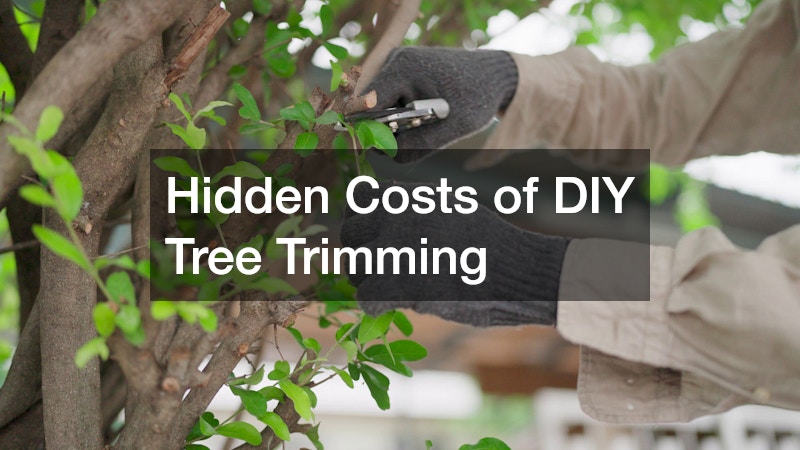
Trimming a small shrub is one thing, but tackling large branches or entire trees without proper training often leads to injury, property damage, or a job that has to be redone professionally anyway. Emergency room visits and damaged siding or roofing add unexpected costs that quickly outweigh any money saved by skipping a professional. Improper cuts can also damage a tree’s long-term health, leading to disease or decay that shortens its life.
Reaching out to local tree services for an estimate before attempting a large job yourself can clarify whether the work is truly a DIY task or something requiring specialized equipment. Many local tree service companies offer free consultations, giving homeowners a clear picture of cost and risk before deciding how to proceed.
- Chainsaw injuries treated in emergency rooms each year
- Property damage from branches falling in unintended directions
- Improper pruning cuts that invite disease and pests
- Rental equipment misuse leading to additional repair costs
Declining Property Value From Neglected Landscaping
Curb appeal plays a bigger role in resale value than many homeowners realize. Real estate agents commonly estimate that landscaping accounts for 5% to 20% of a home’s overall value, and a neglected yard can knock thousands off an appraisal before a buyer even steps inside. First impressions form within seconds of pulling into the driveway, and overgrown shrubs, patchy grass, or cracked walkways signal deferred maintenance that makes buyers assume other parts of the home have been neglected too.
Buyers and their agents often factor in the hard cost of clearing dead vegetation, repairing irrigation systems, regrading soil, or replacing rotted mulch beds when calculating an offer. A quote for $3,000 in landscape repairs doesn’t just cost you that amount — it often gets subtracted from your asking price with additional padding for the buyer’s inconvenience. This directly reduces your negotiating power and can stall a sale altogether if the property doesn’t photograph well for online listings.
Even if you are not selling soon, a declining landscape can slowly erode the overall value of your property year after year. Soil erosion, dying trees, and invasive weeds tend to worsen over time rather than stabilize, meaning the cost of restoration grows the longer it’s ignored. Neighboring home values and neighborhood comparables can also be affected, since appraisers weigh curb appeal relative to surrounding properties on the same street.
Curb appeal isn’t just a nice bonus—it’s one of the biggest factors buyers use to judge a property before they even walk through the front door. Real estate agents often estimate that poor landscaping can shave 5% to 10% off a home’s sale price, while a well-maintained yard can boost value by a similar margin. On a $400,000 home, that swing represents tens of thousands of dollars riding on how healthy your lawn looks and how tidy your beds are kept.
Consistent maintenance, including routine pruning, mulching, and seasonal cleanups, keeps your property looking well kept and signals to future buyers that the home has been cared for. Overgrown shrubs, patchy grass, and weed-choked beds suggest neglect, and buyers often assume that if the outside wasn’t maintained, the inside probably wasn’t either.
Small, regular investments in landscaping tend to pay for themselves many times over when it comes time to sell. Simple upgrades like fresh mulch, trimmed hedges, and healthy turf can cost a few hundred dollars a season but return far more in perceived value during an appraisal or showing. Even something as minor as edging the walkways or refreshing flower beds before listing can make a measurable difference in how quickly the home sells and at what price.
- Dying shrubs or bare patches flagged during home inspections, often noted as “deferred maintenance items” that buyers use to negotiate 5-10% off asking price
- Overgrown beds and unpruned trees that suggest neglect, making appraisers assume other systems (roof, HVAC) may also be poorly maintained
- Cracked hardscaping from root intrusion or erosion, which can cost $2,000-$8,000 to repair and signals underlying drainage issues
- Patchy lawns that signal irrigation or soil problems, raising questions about water bills and long-term landscaping viability
- Overgrown foundation plantings that trap moisture against siding, contributing to rot or pest concerns during inspection
- Dead or leaning trees near the house, which insurers and buyers may flag as liability risks requiring costly removal
Small landscaping issues rarely stay small for long, and the longer they go unaddressed, the more expensive they become to fix. Walking your property every season with a critical eye can help you catch these warning signs before they turn into major repair bills. When in doubt, a professional assessment is a small price to pay compared to the cost of ignoring the problem. Start with a simple yard inspection this weekend and address whatever you find before it grows into something far more costly.